
Vitiligo: Causes, Types, and Treatments
Vitiligo is a chronic skin condition characterised by the loss of pigment in patches of skin, resulting in white or light-coloured areas due to the destruction of melanocytes, the cells responsible for producing melanin.
The exact cause is not fully understood, but it is believed to involve autoimmune, genetic, and environmental factors. Vitiligo can affect any part of the body, including the face, hands, and hair. While it is not contagious or life-threatening, it can have significant psychological and emotional impacts due to its visible nature.
Treatment options, such as topical corticosteroids, light therapy, or depigmentation, aim to manage symptoms and even out skin tone, but there is no definitive cure.

What Causes Vitiligo?
Autoimmune Response
One of the leading theories suggests that vitiligo is caused by an autoimmune response. This is where the body’s immune system mistakenly attacks and destroys melanocytes, the cells responsible for producing skin pigment (melanin). This leads to the characteristic white patches on the skin.
Genetic Factors
It often runs in families, indicating a genetic predisposition. Certain genes associated with the immune system and melanocyte function may increase the likelihood of developing the condition. However, not everyone with these genetic factors will develop vitiligo.
Environmental Triggers
External factors such as sunburn, exposure to certain chemicals, or emotional stress may trigger or worsen vitiligo in individuals who are genetically susceptible. These triggers can accelerate the destruction of melanocytes or disrupt their normal function.
Neurochemical Factors
Some researchers believe that neurochemical substances released at nerve endings in the skin may be toxic to melanocytes, contributing to their destruction. This theory is supported by cases where it appears to follow a specific nerve distribution.
Oxidative Stress
An imbalance between free radicals and antioxidants in the body, known as oxidative stress, may damage melanocytes and contribute to the development of vitiligo. This theory is supported by evidence of increased oxidative stress in the skin of individuals with the condition.
While the exact cause of vitiligo remains unclear, it is likely a combination of these factors that leads to the onset and progression of the condition.
Types of Vitiligo
Non-Segmental Vitiligo (Generalised Vitiligo)
Non-segmental vitiligo is the most common form of the condition, characterised by symmetrical white patches that appear on both sides of the body.
These patches often develop on areas frequently exposed to the sun, such as the face, hands, and arms. This type is typically associated with autoimmune mechanisms and can progress slowly or rapidly over time.
Segmental
Segmental vitiligo is less common and typically appears in a localised or asymmetrical pattern, often affecting only one side or segment of the body. It usually develops at a younger age and progresses for a short period before stabilising. This type is less likely to be associated with autoimmune conditions and may respond differently to treatment compared to non-segmental vitiligo.
Focal
Focal vitiligo is characterised by one or a few isolated patches of depigmentation in a small area of the body. It does not follow a specific pattern and may remain localised or develop into non-segmental vitiligo over time. This type is relatively rare and often difficult to predict in terms of progression.
Universal
Universal vitiligo is a rare and extensive form of the condition where depigmentation covers most of the body, often affecting 80% or more of the skin surface. This type can have a significant impact on appearance and is often challenging to manage.
Mucosal
Mucosal vitiligo specifically affects the mucous membranes, such as the lips, genitals, and inside of the mouth. It can occur alone or alongside other types of vitiligo and may present unique challenges in treatment due to the sensitivity of the affected areas.
Trichrome
Trichrome vitiligo is characterised by three distinct shades of colour on the skin. A white center, a lighter hypopigmented area surrounding it, and the normal skin colour beyond that. This type is less common and often seen in the early stages of vitiligo progression.
Mixed
Mixed vitiligo occurs when both segmental and non-segmental vitiligo are present in the same individual. This type is rare and may require a combination of treatment approaches to address the different patterns of depigmentation.
Understanding the type of vitiligo is crucial for determining the most effective treatment and management strategies.
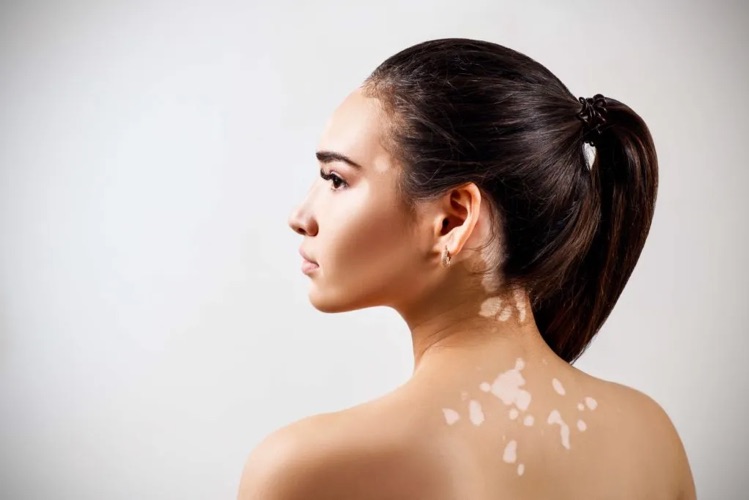
Symptoms of Vitiligo
These are the symptoms.
White or Light-Coloured Patches
The primary symptom of vitiligo is the appearance of white or light-coloured patches on the skin. These patches result from the loss of melanocytes, the cells responsible for producing pigment, and can vary in size and shape.
Symmetrical Distribution
In non-segmental vitiligo, the patches often appear symmetrically on both sides of the body, such as on both hands, knees, or elbows. This pattern is a hallmark of the generalised form of the condition.
Asymmetrical or Localised Patches
In segmental vitiligo, the patches are usually localised to one side or segment of the body and do not follow a symmetrical pattern. This type often appears in younger individuals and may stabilise after initial progression.
Premature Graying of Hair
It can affect the pigment in hair, leading to premature greying or whitening of hair on the scalp, eyebrows, eyelashes, or beard. This occurs when melanocytes in the hair follicles are destroyed.
Loss of Colour in Mucous Membranes
In some cases, vitiligo can cause depigmentation in the mucous membranes, such as the inside of the mouth, lips, or genitals. This is known as mucosal vitiligo and can occur alongside skin symptoms.
Changes in Eye Colour
Although rare, vitiligo can sometimes affect the pigment in the eyes, leading to changes in the colour of the retina or iris. This is more common in individuals with widespread or universal vitiligo.
Itching or Sensitivity
In rare cases, the affected skin may feel slightly itchy or sensitive, particularly before or during the appearance of new patches. However, It is generally not associated with physical discomfort.
Emotional and Psychological Impact
While not a physical symptom, the visible nature of vitiligo can lead to emotional distress, low self-esteem, or anxiety, especially in individuals with widespread or highly noticeable patches.
The symptoms of vitiligo can vary widely depending on the type and extent of the condition. They may progress slowly or remain stable over time. Early recognition and management can help improve quality of life for those affected.
How to Treat Vitiligo
Here’s how you treat it.
Topical Treatments
Topical corticosteroids are commonly prescribed to reduce inflammation and encourage repigmentation in small areas of vitiligo. Other topical options include calcineurin inhibitors, such as tacrolimus or pimecrolimus, which modulate the immune response and can be particularly useful for sensitive areas like the face.
Phototherapy (Light Therapy)
Phototherapy involves exposing the skin to ultraviolet (UV) light, either UVA or UVB, to stimulate melanocyte activity and repigmentation.
Narrowband UVB therapy is the most commonly used form and is effective for widespread vitiligo. PUVA therapy, which combines UVA light with a photosensitising medication, is another option but less frequently used due to potential side effects.
Oral Medications
In some cases, oral corticosteroids or other immunosuppressive medications may be prescribed to slow the progression of vitiligo, particularly in rapidly spreading cases. Antioxidants like vitamin E or ginkgo biloba may also be recommended to reduce oxidative stress, which is believed to play a role in the condition.
Surgical Treatments
For stable vitiligo that does not respond to other treatments, surgical options such as skin grafting, blister grafting, or melanocyte transplantation may be considered. These procedures involve transferring pigment-producing cells from unaffected areas to depigmented patches.
Depigmentation Therapy
In cases where it affects a large portion of the body and repigmentation is not feasible, depigmentation therapy may be an option. This involves using topical agents like monobenzone to lighten the remaining pigmented skin, creating a more uniform appearance.
Cosmetic Camouflage
Cosmetic products, such as makeup or self-tanning lotions, can help conceal depigmented patches and improve the appearance of the skin. These are non-invasive options that provide temporary but immediate results.
Lifestyle and Support
Avoiding triggers like sunburn, stress, or exposure to harsh chemicals can help manage it. Additionally, joining support groups or seeking counseling can provide emotional support and coping strategies for individuals dealing with the psychological impact of the condition.
Emerging Therapies
Research into new treatments, such as JAK inhibitors and stem cell therapy, shows promise for improving vitiligo management. These therapies aim to target the underlying causes of the condition and may offer more effective solutions in the future.
Treatment for this skin condition is highly individualised. The choice of therapy depends on the type, extent, and progression of the condition, as well as the patient’s preferences and overall health. Consulting a dermatologist is essential to determine the most appropriate treatment plan.